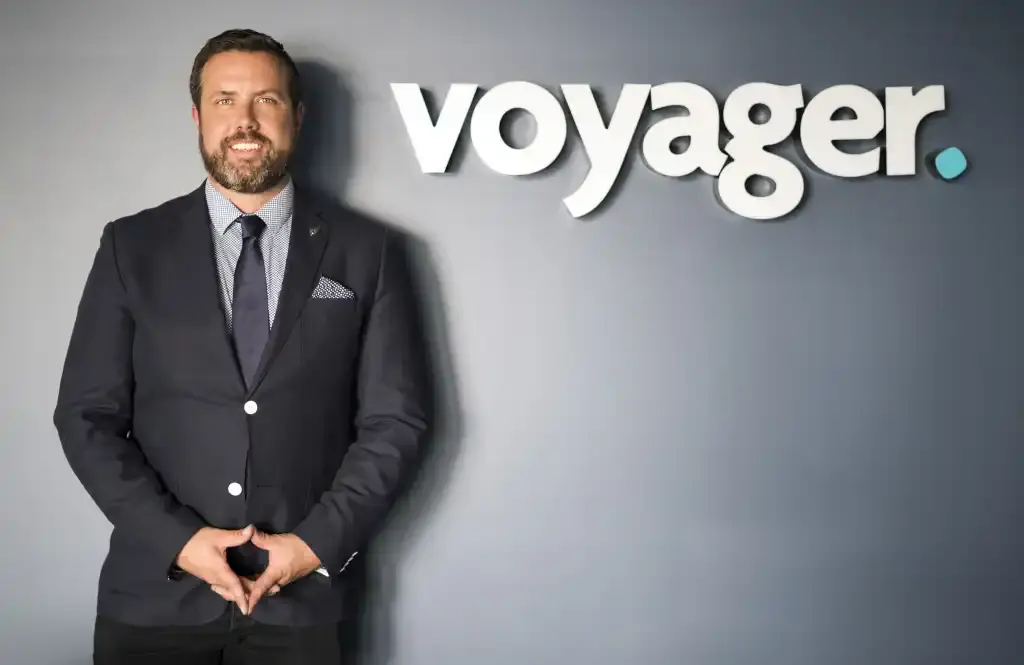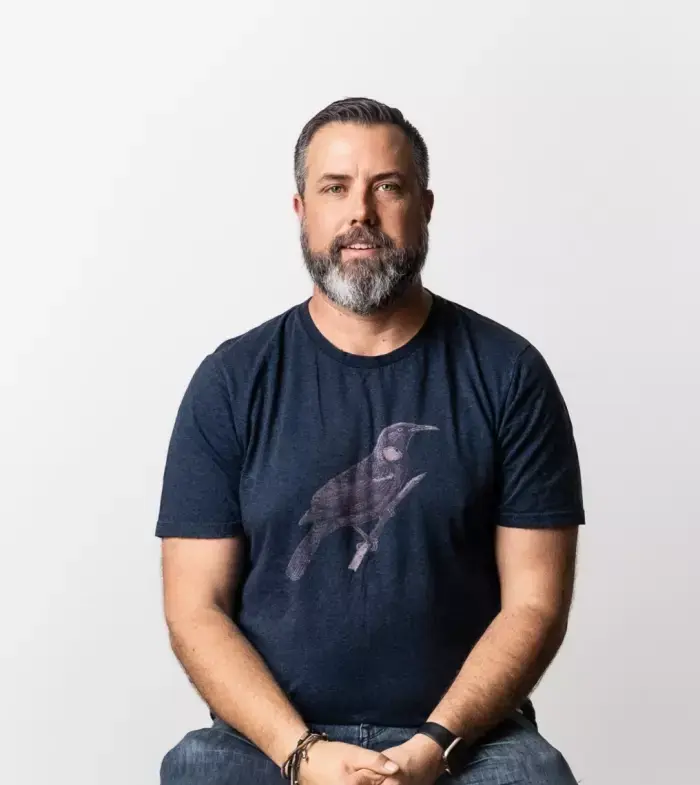
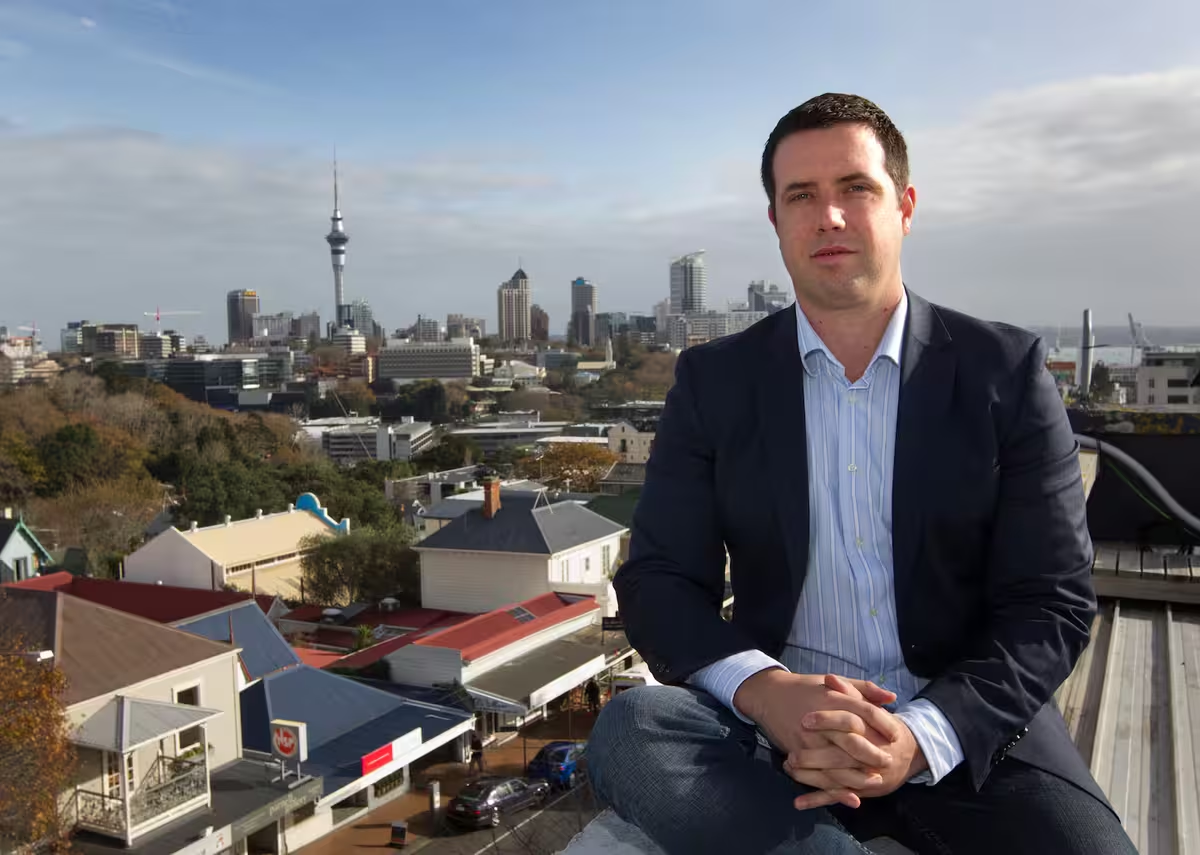
Seeby Woodhouse has never done things the conventional way. Raised on Auckland's North Shore, he walked away from an electrical engineering degree at the University of Auckland in 1996 — not out of restlessness, but out of certainty. A single lecture on the internet was enough. He could see exactly where the world was going, and he wanted to be the one building it.


At 19, with no outside capital and no safety net, he founded Orcon. For the next decade he lived and breathed it — sleeping in the office, working 16-hour days, seven days a week — growing the company from nothing into one of New Zealand's most recognised internet service providers. Orcon doubled in size every year for nearly nine years, won Best ISP, and became the 4th fastest-growing company in the country with revenue above $10 million. In 2004, the industry recognised what his customers already knew, naming him New Zealand Young Entrepreneur of the Year. In 2007, at 29, he sold Orcon to Kordia for $25 million.


What followed was equal parts reinvention and reflection. Property investment, global travel — 100 countries, 350,000 photographs — and an honest reckoning with what comes after you achieve the thing you've given everything to build. Then, in 2010, the pull of the frontier was too strong to ignore. He founded Voyager Internet, this time focused on the business market: Cloud, Connectivity, Communications and Cybersecurity. Voyager has since grown into a company valued at over $40 million and hosting 20% of New Zealand's domain names. In 2025, Seeby returned as CEO — not as a reset, but as the next chapter.


Beyond the businesses, Seeby is a helicopter pilot, a classically trained pianist, a passionate photographer, an art collector, and an avid reader who describes books as "a superpower." He thinks seriously about AI, macroeconomics, and where the world is heading — and writes about it at Seeby's Ruminations. He has always believed that success is meaningless without curiosity, and that the best is still ahead
PERSONAL INTERESTS

Seeby has visited over 100 countries — not as a tourist ticking boxes, but as someone genuinely curious about how the rest of the world thinks, builds, and lives.


From the deserts of Nevada at Burning Man to the backstreets of Europe, the Caribbean coastline, and deep into the Americas, travel has been one of the most consistent threads running through his adult life. It's where perspective gets rebuilt, assumptions get challenged, and the best ideas tend to arrive.

He doesn't travel to escape. He travels to return with more than he left with.

350,000 photographs. 75 countries. A camera that goes everywhere.


What started as a way to document travel became something more serious — a genuine artistic practice and a way of seeing the world differently. Seeby shoots across landscapes, street scenes, and the quiet moments in between, building an archive that spans decades and continents.


Photography, for Seeby, is the discipline of noticing. Of slowing down long enough to see what's actually in front of you — something that doesn't come naturally to someone wired to always be building the next thing.


View the gallery

Seeby is a classically trained pianist who walked away from the instrument for years — and then found his way back to it.


There's something about returning to piano as an adult that hits differently. It's not about performance or achievement. It's one of the few things that demands complete presence and offers nothing in return except the music itself. 


His relationship with art runs alongside it. Seeby collects works from a gallery in Oregon specialising in futuristic and visionary art — pieces that sit at the intersection of technology, imagination, and what humanity might become. The collection reflects the same curiosity that drives his thinking about business and the future.

Seeby has been paying attention to where technology is heading for a long time — long enough to have been called a dreamer before being proven right. 

Artificial intelligence, exponential technology, and the long arc of human progress are topics he thinks about seriously and writes about regularly. As a member of Abundance 360 — Peter Diamandis and Ray Kurzweil's invitation-only group of 360 global CEOs and futurists — he's part of a community actively navigating the next 20 years of technological change.

His Substack, Seeby's Ruminations, is where those thoughts live. Expect takes on AI, macroeconomics, business, and the shape of what's coming — written by someone who's been building technology businesses since before most people had heard of the internet.
→ Read Seeby's Ruminations at
 seebysruminations.com

Some things don't need a business case.


Motorbikes are one of them. There's a simplicity to riding that cuts through everything else — no notifications, no meetings, no decisions to make except the next corner. For someone whose mind rarely stops, that kind of forced presence is rare and worth protecting.


It's the same reason he flies helicopters. Some hobbies are chosen not despite the focus they demand, but because of it.

Seeby calls reading a superpower. He means it literally.


The ability to absorb the condensed thinking of the world's best minds — in a few hours, for the cost of a book — is one of the most asymmetric advantages available to anyone willing to sit down and do it. Seeby has built much of his business instinct and worldview through voracious, intentional reading across business, psychology, economics, history, and technology.


If you want to understand how he thinks, the books on his shelf are a better window than any interview.